


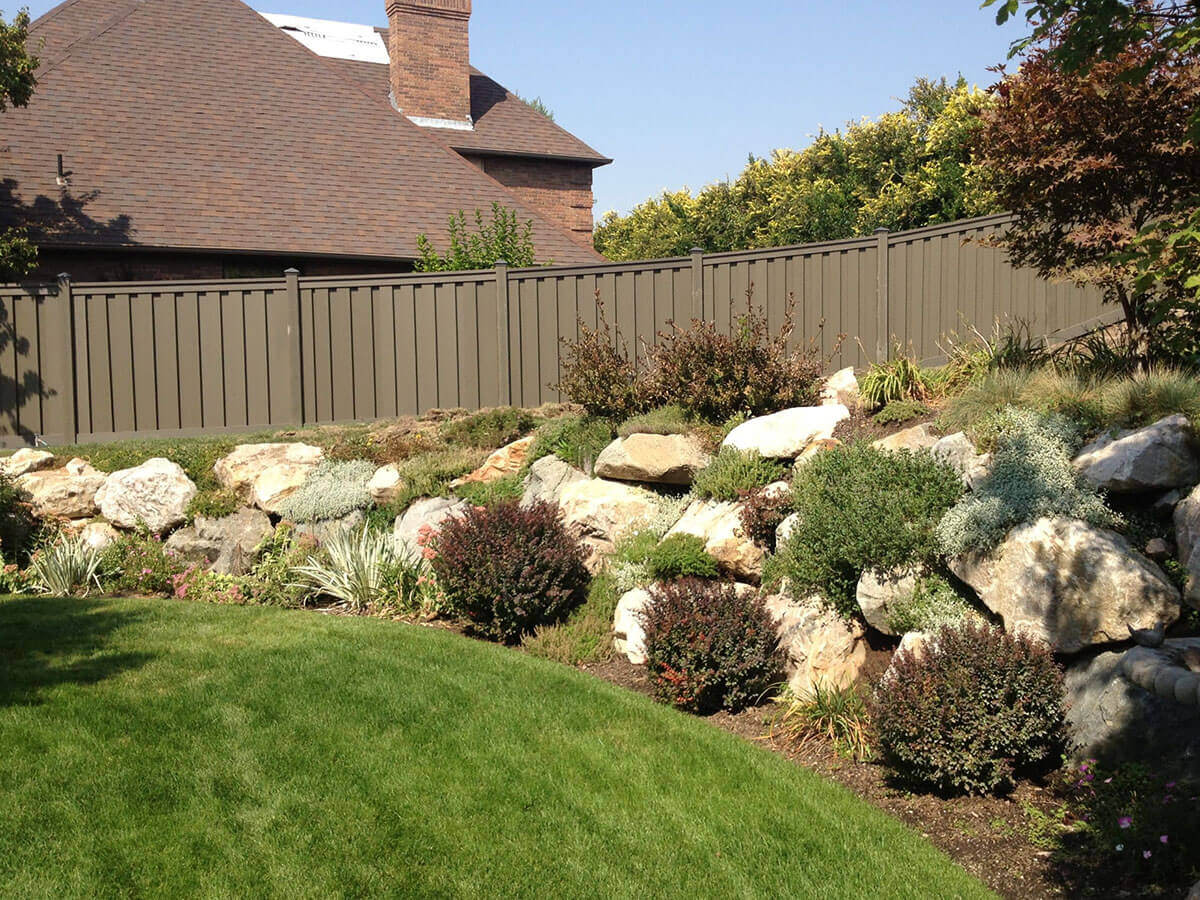
Wood fencing has been a timeless material for centuries, but there’s a reason why so many homeowners are embracing alternatives. Although beautiful, wood fencing is weak against heat, moisture, and freezing temperatures. Its constant expansion and contraction take a serious toll on traditional wood fences. That’s where composite comes in.
Composite fencing was designed as an alternative that outperforms wood where it matters most. Trex fencing has emerged as one of the most trusted names in composite fences. It builds on the core advantages of composite materials while offering refined design, proven durability, and long-term reliability.
Before you buy a new fence, understanding the core differences between composite and wood can help you make the right decision. Learn more about how composite fencing is built to last longer, provide better coverage, and eliminate the issues homeowners face with wood fencing.
Trex Composite Fencing vs. Wood Fencing
Trex composite fencing combines recycled wood fibers with high-performance polymers to create a fence that looks natural but performs far beyond traditional wood. Wood fencing relies entirely on organic material, which makes it more vulnerable to:
- Weather damage
- Moisture absorption
- Ongoing wear
This fundamental difference is what distinguishes composite fencing from wood in terms of long-term performance.
Trex maintains an attractive, natural look, but it doesn’t require any of the maintenance wood needs to last. This is just one key difference; let’s take a deeper look at the ways Trex outperforms wood fencing in durability, maintenance, longevity, and more.
Durability
Composite fencing resists cracking, splitting, and warping, even during extreme temperature changes. Panels remain straight and secure through seasonal shifts. Wood fencing expands and contracts with heat and cold, leading to loose boards, visible gaps, and structural weakness over time.
Maintenance
Composite fencing requires very little upkeep. An occasional rinse is really all you need to keep it clean and looking like new for decades. It never requires sanding, staining, or sealing, while wood needs both routine touch-ups and maintenance to prevent fading, rot, and surface damage.
In harsh climates, this upkeep becomes more frequent and costly, which makes composite a more valuable investment for homeowners concerned about long-term costs.
Lifespan
Composite fences are designed for long-term performance and often come with extended manufacturer warranties. Many last for decades with minimal care.
Wood fences have a shorter lifespan, even when properly maintained. Climate exposure accelerates deterioration and replacement timelines.
Moisture Resistance
Composite fencing does not absorb water. This helps prevent mold, mildew, rot, and insect damage. It performs exceptionally well in humid, coastal, or rainy regions. Wood absorbs moisture, which leads to swelling, decay, and structural failure over time.
Privacy Options
Composite fence panels maintain consistent spacing and alignment. Privacy continues year after year, and there’s 100% coverage in any location. This is because Trex composite fences are made from panels, and they don’t need spacing between boards to prevent warping.
Wood fences, even “full privacy” designs, still require spacing to prevent damage. The gaps can also expand over time as the wood changes, which leads to reduced privacy and ongoing, frustrating repairs.
Security
Composite fencing offers solid panel construction and reinforced framing for added strength. The Trex Horizons line even features a solid aluminum framework for added strength and protection.
With Trex composite fences, gates stay aligned, and hardware functions properly longer. Wood fencing weakens as boards crack, rot, or loosen, making it easier for damage or breach to occur.
Explore Trex Fence Options
| Trex Fence Style | Look / Design | Typical Heights | Key Features | |
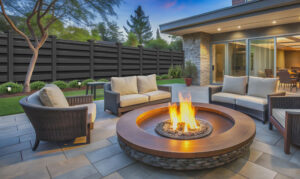 |
Solitudes | Contemporary horizontal slats | 6, 8 feet | Modern aesthetic with a clean, linear look. Good for privacy and design-focused yards |
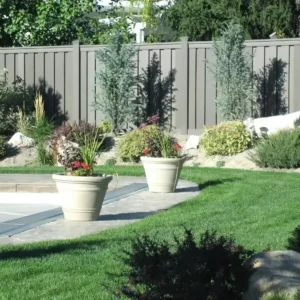 |
Seclusions | Classic privacy picket style | 6, 8 feet | Solid board layout for maximum privacy. Traditional picket feel with durable materials |
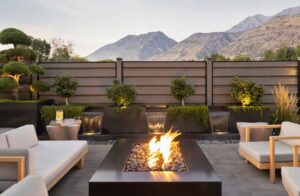 |
Horizons | Sleek horizontal profile | 6, 8 feet | Stylish and modern option with a refined horizontal pattern. Strong visual interest |
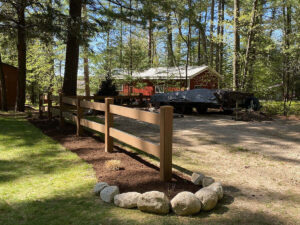 |
Rail Fencing | Open rail fence | 3, 4 feet | Best for marking boundaries and curb appeal. Less privacy, more visibility |
Why Trex Composite Fencing Is a Smart Choice
No matter which style you choose, Trex composite fencing is designed to deliver long-term performance with minimal upkeep. They won’t rot, warp, or require regular staining, making it a smart choice for homeowners who want lasting beauty without ongoing maintenance.
With rich, consistent color and engineered durability, Trex fences offer the privacy, security, and curb appeal today’s properties demand, year after year. Visit our fences page to see each model in detail and find your perfect fit. Order samples or find a local contractor near you to get started!
Want to speak with a Trex fence pro? Head over to our contact page and message us. We’ll be in touch shortly.
