


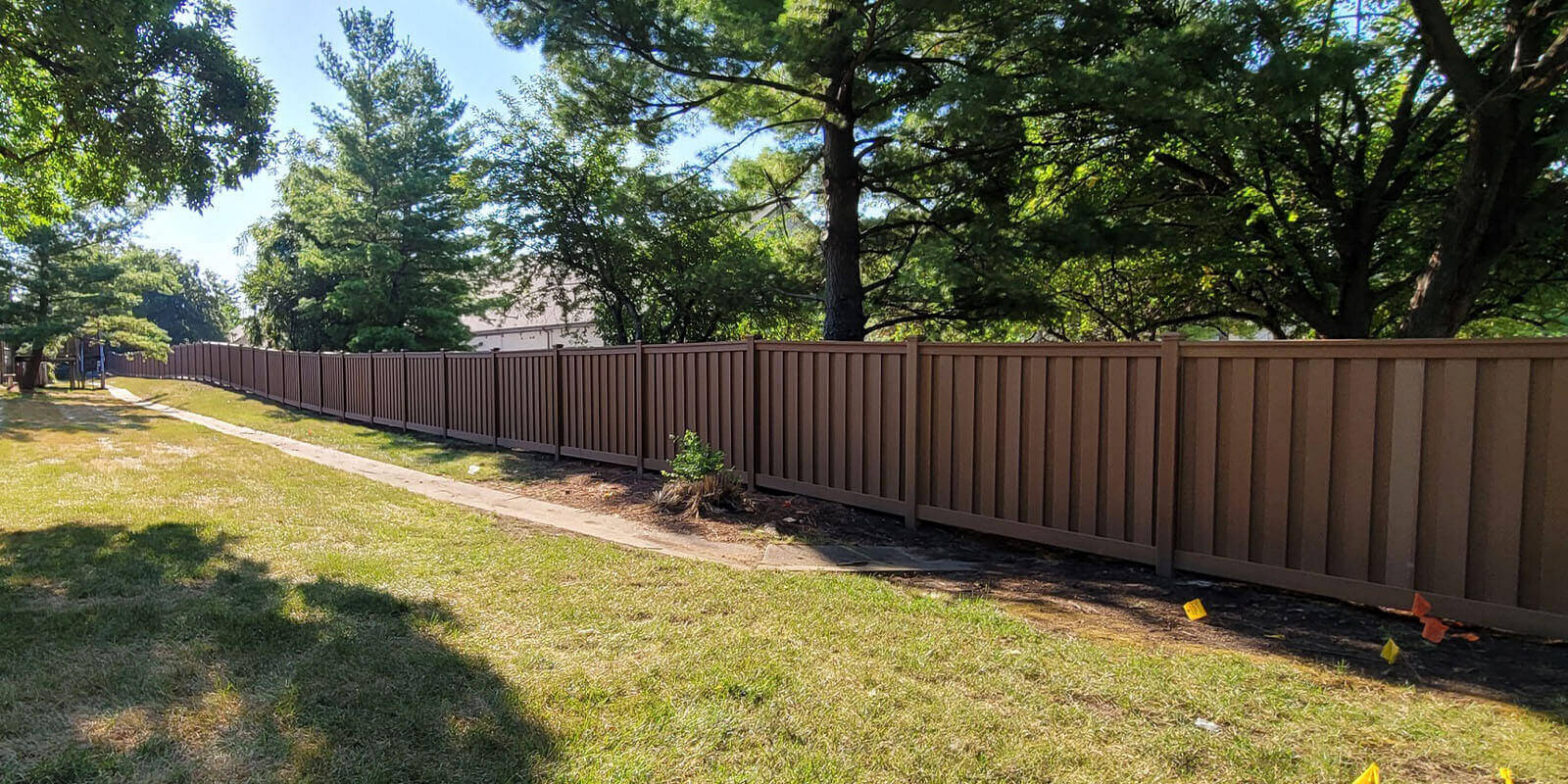
When shopping for a new fence, the installation quote is usually the first number homeowners see. It’s tempting to compare bids and choose the lowest price, but that initial investment rarely reflects what you’ll actually spend over the fence’s lifetime.
The true cost of a fence includes factors that don’t appear on the estimate: maintenance schedules, repair frequency, replacement timelines, and the hours you’ll dedicate to upkeep. Some choices save money today but create expenses for the future, while others cost more upfront but reduce long-term spending.
Trex Fencing SRF not only helps you understand what drives total cost of ownership but also helps you make decisions that align with your budget and lifestyle, not just today but for decades ahead. Continue reading to learn more about upfront pricing vs. prices down the road.
Want to compare materials in person? You can order Trex fencing samples to see colors, textures, and finishes before making a decision.
Breaking Down Total Cost of Ownership
The sticker price represents only one component of what you’ll invest in your fence. Total cost of ownership includes several key factors that impact your budget over time.
Elements that contribute to total cost:
- Initial material and installation expenses
- Regular maintenance requirements and associated costs
- Repair frequency and replacement part availability
- Expected lifespan before full replacement is needed
- Time investment required for upkeep
When evaluating fence options, consider how each factor plays out over 10, 20, or 30 years. A fence with lower installation costs but high maintenance requirements can easily exceed the total cost of a pricier option that requires minimal upkeep. The difference becomes more pronounced the longer you own your home.
How Maintenance Impacts Your Long-Term Budget
Maintenance represents one of the biggest variables in fence ownership costs. Different materials have drastically different care requirements, and these demands translate directly into time and money.
Common maintenance considerations:
| Aspect | Low-Maintenance Materials | High-Maintenance Materials |
| Cleaning | Occasional rinse | Pressure washing, scrubbing, special chemicals |
| Surface Treatment | Never needed | Every 2-3 years |
| Board Replacement | Rare | Periodic as materials age |
| Professional Care | Minimal to none | Regular contractor visits |
Some materials require professional painting or staining every few years, which adds significant expense when you factor in both materials and labor. Even if you handle maintenance yourself, the time investment adds up to dozens of hours over the fence’s lifespan.
A Trex privacy fence eliminates most recurring maintenance costs. The material resists common issues that drive ongoing expenses, allowing you to invest your time and money elsewhere.
Understanding Replacement Cycles and Their Costs
Every fence has a lifespan, and knowing when replacement becomes necessary helps you plan for future expenses. Replacement cycles vary significantly based on material choice and local climate conditions.
Typical replacement timelines:
- Entry-level materials: 10–15 years
- Standard residential materials: 15–20 years
- Premium fencing materials: 25–30+ years
If you install a fence with a shorter lifespan, you might pay for installation multiple times during your homeownership. A Trex fence with an extended lifespan means paying for installation once, eliminating additional rounds of contractor fees, material costs, and disposal expenses.
Replacement also involves hidden costs beyond materials and labor. You’ll need to remove and dispose of the old fence, potentially repair landscaping damage, and coordinate timing to avoid leaving your property exposed.
Climate and Environmental Factors
Where you live dramatically influences how much you’ll spend maintaining your fence. Regional conditions accelerate wear on some materials while having minimal impact on others.
Climate considerations that affect costs:
- Coastal areas with salt air and high humidity
- Regions with extreme temperature swings
- Locations with heavy precipitation or snow
- Areas prone to high winds or severe weather
- Environments with high UV exposure
Materials that absorb moisture deteriorate more rapidly in humid or rainy climates. Those vulnerable to temperature fluctuations may crack, warp, or split more quickly in harsher conditions. Homeowners in challenging environments often face higher annual maintenance demands just to keep their fences functional and attractive.
Working with an experienced Trex fence distributor and contractor helps you understand how your local climate affects different materials. They can recommend options engineered to handle your specific environmental conditions without constant intervention.
Making Smart Decisions for Your Situation
The best fence choice depends on your specific circumstances, budget constraints, and long-term plans. Consider these factors when making your decision:
Questions to guide your choice:
- How long do you plan to stay in this home?
- What’s your comfort level with regular maintenance tasks?
- Does your climate create additional wear on certain materials?
- Would you prefer to invest more now for lower ongoing costs?
- How important is warranty coverage for long-term protection?
The fence that costs the least today isn’t always the most economical choice. When you account for maintenance, repairs, and replacement over the fence’s lifetime, materials with higher upfront costs often deliver better value through lower ongoing expenses and a longer service life.
Choose a Fence That Pays Off Over Time
Trex Fencing SRF specializes in helping homeowners across the United States and Canada evaluate their options based on the total cost of ownership, not just installation price. Our team can walk you through the factors that impact long-term expenses, show you how different choices perform over time, and help you select a solution that makes financial sense for your specific situation.
Ready to make a smarter investment in your property? Contact us today and see how choosing the right materials now can save you time and money.
