









7 Important Ways to Winterize Your Backyard This Fall
As winter approaches, our minds often shift to holiday memories and festive events with loved ones. But fall is the prime time to start thinking about how you'll protect your home in colder weather. Even if you don't live in a climate where frost and snow are common, colder temperatures increase the risk, which is easily preventable with some proactive care.
In this guide, Trex Fencing SRF covers seven must-know tasks to winterize your backyard, so you can enjoy the season and welcome spring stress-free.
1. Replace an Old Fence
Fall is one of the best times to replace an old fence. If yours has rotted, warped, sagged, or leaned, consider replacing it with a newer, stronger material. Outdated wood fences can be a hassle to maintain, and there isn't much to do with broken or old vinyl besides replace it.
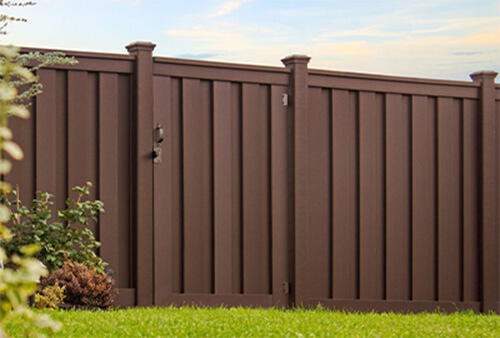
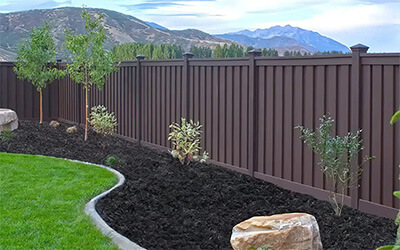
Composite fencing is the perfect alternative for anyone who wants a long-lasting fence with minimal maintenance. Trex fences are made from a blend of wood and plastic composite (WPC). This blend of up to 95% recycled materials isn't just good for the planet; it's great for your yard, too.
By eliminating common risks like wood rot and cracking from cold or heat exposure, composite offers a durable, long-term solution that keeps yards secure, private, and stylish year-round.
Learn more about composite fences or read about our fence benefits today!
2. Clear Out Gutters
Gutters are often forgotten during the year. But when rain and snow arrive, untended gutters can flood, cause blackflow, and become so heavy that they collapse.
This fall, take a weekend morning or afternoon to clean your gutters thoroughly. Remove all fallen leaves, twigs, and other debris to ensure water can freely flow away from your home.
You can find some helpful gutter cleaning kits online that make removal a breeze. And in the future, you may consider installing gutter guards to prevent debris from creating clogs in the future.
Cleaning your gutters is also a good time to check for cracks, loose fasteners, rust, and other signs of damage. A roofing professional near you can help diagnose and repair issues to keep your gutters safe during winter weather.
3. Mow and Aerate the Lawn
Mowing the lawn one last time in the fall makes sure the soil receives sunlight, which it needs to sprout new grass in the spring. After you mow, use an aerator to puncture holes in the topsoil, allowing oxygen and water to enter the soil and preventing soil compaction and thatch buildup.
You can use an automatic or manual aerator, and the process is simple. If you'd prefer a professional to handle the job, just let your local landscaping company know you want your soil aerated after they've mowed the lawn.
4. Trim and Prune Trees
Tree trimming isn't just for spring. As winter weather intensifies, you'll want to ensure trees don't pose threats to your yard, fence, or property. Heavy branches weighed down by snow or ice can become major hazards, while strong winds can send them flying across your yard.
Trimming excess growth ensures your tree's weight is evenly distributed; pruning prevents disease and promotes healthy blossoms in the spring. This job may be easy to do on your own if you have smaller trees and the right tools; if you have tall trees, heavy branches, or growth in tricky locations, such as over a garage or roof, it's best to call an arborist.
5. Apply Winter Fertilizer to Lawn and Garden Beds
Winter fertilizer helps your seasonal bulbs grow, and it also nourishes the soil so it thrives during the winter. When spring returns, the fertilized soil will be healthier and produce new growth more easily.
This special type of season fertilizer has more nutrients to give plants and soil the boost they need in colder temperatures.
6. Overseed
Early fall is the prime time to spread seeds across your lawn for cool-season grasses, which are found in two-thirds of the United States. These types of grasses thrive in moderate climates and go dormant in extreme heat or cold.
After mowing and aerating your lawn, spread the seeds evenly using a lawn roller to ensure good soil contact. Water frequently, but avoid heavy traffic for at least 5 weeks to give the seedlings time to take root.
Because temperatures are getting cooler in the fall, it's the perfect time to overseed as you'll likely be spending less time outdoors, giving your yard the break it needs to nurture new growth.
7. Prevent Pest Infestations
Winter pests are a major problem, and they're more likely to affect yards with a lot of fallen leaves, wood piles, and debris. To reduce risks, make sure you rake leaves, dispose of any waste, trim vegetation, and store firewood in a locked bin or shed.
If you're adding mulch to your yard, be sure to avoid piling it around your home, as this can become a prime shelter for insects.
Upgrade Your Fence in Time for Winter
Trex Fencing SRF is here to help you make your yard a wonderful place to be, year-round. Our composite fence systems come in complete self-installation kits with comprehensive guides. You can also find a local Trex installer to handle your fence replacement!
If you're exploring composite fencing and want help understanding your options, our team is here to help. We're happy to answer general questions about Trex fencing, share material insights, and help guide you toward the right solution for your property.